


Creating a relaxing sleep environment is one of the most powerful steps you can take to improve your sleep quality, boost daytime energy, and support overall well-being. While habits matter, your physical sleeping environment plays an even bigger role in determining how quickly you fall asleep and how deeply you stay asleep.
Temperature, lighting, noise, air quality, and even the layout of your bedroom influence your sleep cycles. Research consistently shows that small improvements in your bedroom setup can have big impacts on your energy, mood, and morning alertness.
In this guide, you’ll learn exactly how to create a relaxing sleep environment, based on scientific principles and practical sleep-optimization strategies. By the end, you’ll have a comprehensive roadmap for designing a bedroom that naturally triggers calm, comfort, and deep rest.
Why Your Sleeping Environment Shapes Your Energy and Health
Your sleeping environment directly affects the physiological processes that govern sleep.
Light impacts melatonin levels, sound interrupts sleep cycles, and temperature determines how easily your body enters REM and deep sleep.
Optimizing your environment can:
- Increase sleep efficiency by 5–10%
- Improve melatonin production when blue light is minimized
- Increase deep sleep by managing sensory stimulation
Poor environmental conditions—like clutter, noise, or warm air—contribute to fragmented sleep, daytime fatigue, and suppressed immune function.
Once you understand these connections, transforming your bedroom becomes a powerful step toward better health and stable energy.
Physical Comfort: The Core of a Relaxing Sleep Environment
A comfortable bedroom starts with the essentials: mattress, pillows, and breathable bedding. These elements form the physical foundation of high-quality rest.
Choose a Mattress That Supports Your Natural Alignment
Different sleep positions require different levels of support:
- Side sleepers: Firmness level 2–7 to reduce pressure on hips and shoulders
- Back sleepers: Medium firmness 3–8 for neutral spine support
- Stomach sleepers: Firmer 7–10 to prevent overarching of the lower back
- Combination sleepers: Balanced firmness 3–8 to accommodate movement
A good mattress reduces restlessness, keeps your spine aligned, and helps maintain stable sleep cycles.
Select Pillows That Fit Your Sleeping Style
Your pillow’s role is to support the natural curve of the cervical spine. The right pillow prevents neck tension, stiffness, and micro-wakings.
Guidelines:
- Side sleepers: Use a thick pillow to fill the shoulder gap
- Back sleepers: Use a medium-loft pillow that prevents upward tilting
- Stomach sleepers: Use a soft, thin pillow to keep the neck neutral
Comfort over brand is key; choose the pillow that supports your sleep anatomy.
Upgrade to Breathable, Natural Bedding
Temperature plays a huge role in comfort. Natural fabrics like cotton or linen allow airflow, reduce sweating, and feel cool against your skin.
Hypoallergenic options help reduce nighttime congestion and support cleaner breathing.
Thoughtfully chosen bedding can instantly elevate your sleep experience without a major investment.
Declutter to Reduce Cognitive Load and Create Calm
Clutter is more than a visual distraction—it’s a form of cognitive noise that keeps your mind active during a time when it should be winding down.
How Clutter Impacts Sleep
According to research from Princeton University Neuroscience Institute, disorganized environments compete for your attention, elevating stress and disrupting relaxation.
Common clutter-induced issues include:
- Mental overstimulation
- Dust accumulation and allergies
- Associations with unfinished tasks or stress
- Difficulty transitioning into a calm state
Decluttering Tips for a More Relaxing Sleep Environment
- Remove work materials, laptops, and anything related to productivity.
- Store clothing neatly in drawers or closets—not on chairs.
- Choose a minimal amount of decor to create visual calm.
- Keep the bedroom reserved strictly for sleep and relaxation.
When your bedroom is organized, your mind naturally shifts into rest mode the moment you walk in.
Temperature Control: Set Your Room for Deeper Sleep
Why Cool Air Supports Restorative Sleep
Your core body temperature must drop slightly before sleep onset. During REM, your body loses the ability to regulate heat, so a warm room disrupts these cycles and reduces sleep efficiency.
Optimal Sleep Temperature
- General range: 60–67°F (15–19°C)
- For older adults: 68–77°F may provide better comfort
- Temperatures above 77–86°F reduce sleep efficiency by 5–10%

Temperature Optimization Tips
- Use layered bedding for flexible comfort.
- Set a programmable thermostat to cool your room 30 minutes before bed.
- Run a ceiling fan for airflow without significant cooling.
- If you and your partner prefer different temperatures, try separate blankets or dual-zone bedding systems.
The right temperature can immediately improve the depth and quality of your sleep.
Light Management: Protect Melatonin and Calm Your Mind
Blue Light Suppresses Melatonin
Blue wavelengths (around 460 nm) reduce melatonin levels, delaying sleep onset. Bright screens from phones, computers, and TVs are the biggest culprits.
Even two hours of blue-light exposure can drop melatonin from 12 pg/mL to 8.8 pg/mL, making it harder to feel tired.
Make Your Bedroom as Dark as Possible
Effective light blackout options include:
- Blackout curtains to block streetlights
- Sleep masks for travel or rentals
- Warm, dim, or red lighting (2700K or lower)
Red light does not interfere with melatonin, making it ideal for nighttime use.
Establish a Screen Curfew
Stop using screens 30–60 minutes before bed.
If screen-free evenings feel challenging:
- Enable blue-light filters (Night Shift, Night Light).
- Wear blue-light blocking glasses.
- Keep screens below eye level to reduce direct exposure.
Sound Control: Reduce Disruptions and Improve Sleep Continuity
Noise fragments sleep cycles, even if you don’t fully wake up. Soundproofing your environment is one of the most effective ways to maintain deep, uninterrupted rest.
Reduce Environmental Noise
Strategies include:
- Earplugs designed for sleep
- Furniture adjustments, like moving your bed away from windows
- Heavy curtains or acoustic panels to dampen sound
Mask Noise With Steady, Stable Sound
If eliminating noise isn’t possible, sound masking works remarkably well:
- White noise: Good for urban areas
- Brown noise: Deeper, softer tones—great for sensitive sleepers
- Nature sounds: Rain, waves, and forest ambience for extra relaxation
Brown noise is especially effective because of its warm, low-frequency profile.
Scent and Air Quality: Underestimated Sleep Enhancers
Lavender for Better Sleep
Lavender essential oil has been widely studied and consistently improves:
- Deep sleep (delta wave activity)
- Subjective sleep quality
- Daytime energy
- Relaxation before sleep
How to Use Lavender
- Run a diffuser 30 minutes before bedtime.
- Add a small drop of diluted lavender to your pillow.
- Combine aromatherapy with a calming bedtime routine.
Improve Air Quality for Uninterrupted Breathing
Poor air quality affects sleep more than most people realize.
Enhance your bedroom air through:
- Indoor plants (snake plant, pothos, Boston fern)
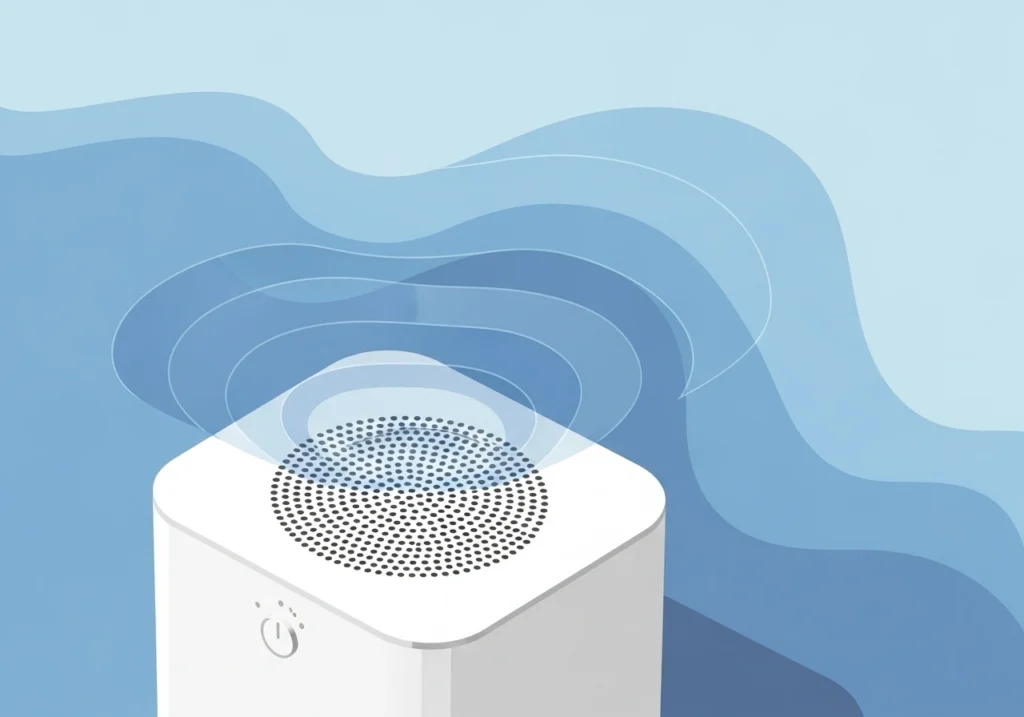
- HEPA air purifiers for allergens
- Ventilation (open windows briefly or use air flow systems)
Clean, fresh air supports deeper breathing and smoother sleep cycles.
Sleep Hygiene: Build a Consistent Routine That Supports Rest
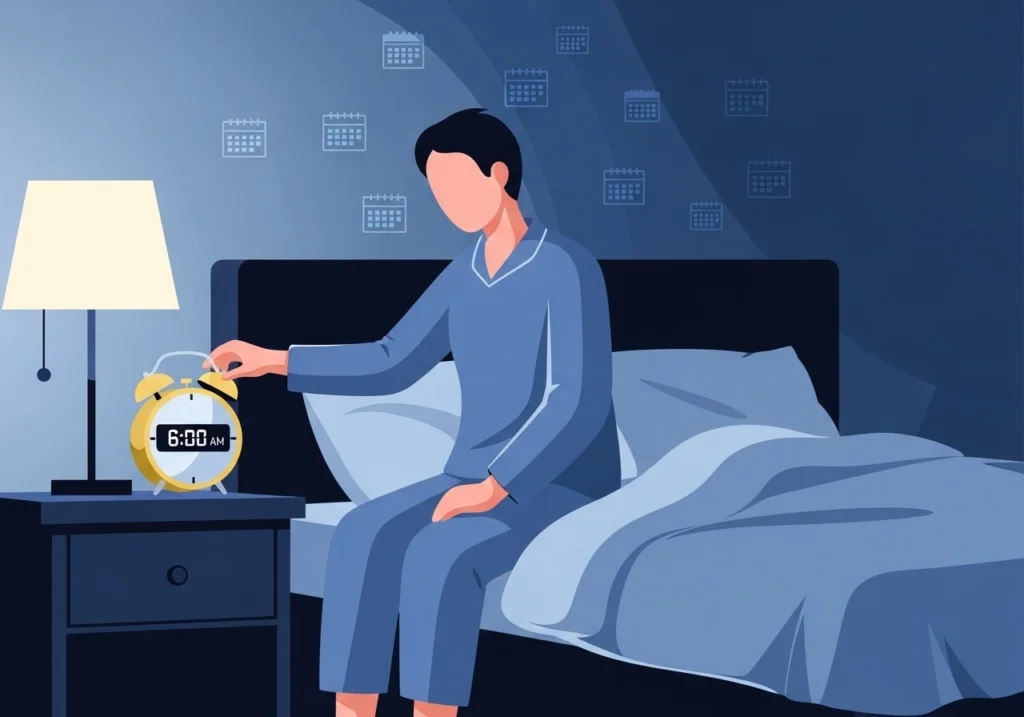
Set a Stable Sleep Schedule
Your circadian rhythm thrives on consistency.
Going to bed and waking up at the same time every day strengthens your internal clock and improves sleep depth.
Benefits include:
- More restorative sleep cycles
- Better mood stability
- Reduced anxiety and cognitive fatigue
- Stronger immunity
- Higher morning alertness
Aim for 7+ hours of sleep, adjusting gradually if needed.
Create a Device-Free Wind-Down Ritual
Using screens late at night keeps your brain alert through dopamine stimulation, notifications, and mental engagement.
Your Wind-Down Strategy
- Shut down all screens 30–60 minutes before bed.
- Keep devices out of the bedroom or inside drawers.
- Replace screen time with calming rituals (reading, stretching, journaling).
This quiet hour prepares your mind and body for deep rest.
Calming Bedtime Rituals That Signal Sleep Is Coming
Your nervous system responds to patterns. When you repeat calming activities every night, your brain begins to associate them with sleep.
Evidence-Based Relaxation Techniques
Deep Breathing (4-7-8 Method)
- Inhale for 4 seconds
- Hold for 7 seconds
- Exhale for 8 seconds
This reduces heart rate and quiets the mind.
Progressive Muscle Relaxation
Tense and release each muscle group from toes to forehead. This releases accumulated tension.
Gentle Pre-Sleep Activities
- Reading a non-digital book
- Taking a warm shower or bath
- Journaling to offload thoughts
- Drinking herbal teas like chamomile or lemon balm
Choose one or two rituals and practice them consistently. Within two weeks, your body will naturally begin preparing for sleep as soon as your routine begins.
Putting It All Together: Your Sleep Environment Action Plan
A relaxing sleep environment doesn’t require perfection—it requires thoughtful, consistent optimization.
Your Step-by-Step Plan
- Physical comfort: Choose the right mattress and pillows.
- Temperature: Keep your room between 60–67°F.
- Light control: Remove blue light and install blackout curtains.
- Sound management: Use earplugs, white/brown noise, or nature sounds.
- Air quality: Use plants or a HEPA purifier.
- Consistent schedule: Maintain regular bedtimes and wake times.
- Bedtime rituals: Use calming activities to cue your brain for sleep.
30-Day Implementation Timeline
- Week 1: Optimize temperature and lighting.
- Week 2: Declutter and add sound control.
- Week 3: Establish your sleep schedule and screen curfew.
- Week 4: Add evening rituals and improve air quality.
By day 30, most people notice deeper sleep, easier mornings, and stronger energy throughout the day.
Key Takeaways for Creating a Relaxing Sleep Environment
- Prioritize physical comfort with the right mattress, pillows, and breathable bedding.
- Keep your bedroom cool to support your body’s natural temperature drop.
- Block blue light and create a dark sleeping space to protect melatonin.
- Use sound masking if noise is unavoidable.
- Maintain a consistent sleep schedule to strengthen circadian rhythms.
- Create calming rituals that train your brain for sleep.
- Keep your bedroom clutter-free to reduce cognitive stress.
Transform Your Sleep Starting Tonight
Your bedroom can become the calm, supportive space your mind and body crave. You don’t need to overhaul everything at once—start with one or two changes, then layer in more over the coming weeks.
Each improvement compounds, helping you wake with more clarity, better focus, and higher energy. Your future self will thank you for creating a relaxing sleep environment that finally supports deep, restorative rest.