

You crawl into bed after a long day, set your alarm for eight hours, and drift off expecting tomorrow to feel refreshed. Yet morning arrives, and you hit snooze again—twice. Here’s a common mistake people make about sleep for energy: It’s not just about sleeping a lot. It’s about making your sleep as good as possible.
Understanding how sleep affects energy transforms your approach to rest. Quality sleep directly impacts your energy levels through complex biological processes. If you understand how sleep and energy work together, you can have energy that lasts all day long.
This guide explains the science of sleep and energy levels, common mistakes that make you tired, and ten simple ways to get more energy from sleep.
How Sleep Affects Energy
Sleep and energy levels share an intricate relationship rooted in cellular biology. During sleep, your body performs essential maintenance that directly impacts next-day energy. Cellular repair accelerates, metabolic waste gets flushed out, and energy reserves replenish.
While you sleep, your brain organizes memories and deals with feelings. This makes your mind clearer for the next day. This nightly maintenance forms the foundation of both physical strength and mental sharpness. Without quality sleep, energy production at the cellular level becomes compromised.
Research shows that sleep quality matters more than duration alone. According to studies on mitochondrial health, the powerhouses of your cells—mitochondria—depend on adequate sleep for optimal energy production.
Understanding Sleep Cycles: Deep Sleep vs. REM for Energy
Sleep cycles unfold in roughly 90-minute intervals containing light sleep, deep sleep for energy, and REM sleep. Each stage serves specific functions in energy restoration and cognitive performance.
Deep Sleep: Your Energy Powerhouse
Deep sleep for energy represents the most crucial stage for physical restoration. During this phase:
- Growth hormone peaks to repair tissues
- Immune system strengthens
- Energy reserves restore to maximum capacity
- Metabolic waste clears from brain cells
Deep sleep accounts for 15-20% of total sleep time in healthy adults. Maximizing this stage directly correlates with improved energy levels the following day.
REM Sleep: Mental Energy and Emotional Balance
REM sleep supports mental energy through:
- Memory consolidation and integration
- Emotional processing and regulation
- Creative problem-solving enhancement
- Neurotransmitter balance restoration
Both deep and REM sleep work together to optimize your relationship between sleep and energy. Disrupting either stage compromises overall energy restoration.
The Hormonal Dance: Circadian Rhythm and Energy Regulation
Your circadian rhythm orchestrates energy levels through precise hormonal timing. Understanding this internal clock helps you align sleep patterns with natural energy cycles.
Adenosine: Your Sleep Pressure Signal
Adenosine and sleep form a feedback loop that regulates energy. This cellular byproduct accumulates during waking hours, creating sleep pressure. Once you fall asleep, adenosine clears from your brain, resetting alertness for the next day. Caffeine works by blocking adenosine receptors, temporarily masking fatigue without addressing the underlying need for sleep.
Cortisol Levels and Energy Patterns
Cortisol levels follow a natural rhythm that supports healthy energy patterns:
- Peak in early morning to promote wakefulness
- Gradually decline throughout the day
- Reach lowest levels during deep sleep
Disrupted cortisol patterns, often caused by chronic stress or irregular sleep schedules, directly impact your ability to get more energy from sleep.
Why Eight Hours Don’t Always Equal Energy
Many people experience fatigue despite getting adequate sleep duration. This sleep quality versus quantity puzzle typically stems from:
Sleep Fragmentation
Frequent nighttime awakenings interrupt sleep cycles, preventing complete restoration. Even brief awakenings can reset deep sleep stages, reducing their restorative benefits.
Environmental Disruptions
Poor sleep environment conditions fragment cycles and reduce sleep quality. Temperature, light, and noise disturbances prevent sustained deep and REM sleep phases.
Underlying Health Issues
Conditions like sleep apnea, restless leg syndrome, or hormonal imbalances can compromise sleep architecture. If you consistently feel tired after adequate sleep, consider consulting a healthcare provider. High blood pressure can also contribute to fatigue, independent of sleep duration.
If you often ask yourself, “Why am I still tired after sleeping 8 hours?“, read our special guide. It explains the reasons and offers solutions in detail.
10 Science-Backed Strategies to Get More Energy From Sleep
1. Optimize Your Sleep Schedule for Consistent Circadian Rhythm
Sleep for energy starts with consistency. Go to bed and wake up at the same time daily—including weekends. This approach reinforces your circadian rhythm, making sleep onset and morning alertness feel effortless.
Aim for a sustainable schedule you can maintain long-term. A consistent 10:00 PM to 6:00 AM routine proves more beneficial than sporadic late nights followed by sleep-ins. Research on circadian biology confirms that irregular sleep timing disrupts hormonal balance and energy regulation.
2. Create an Optimal Sleep Environment
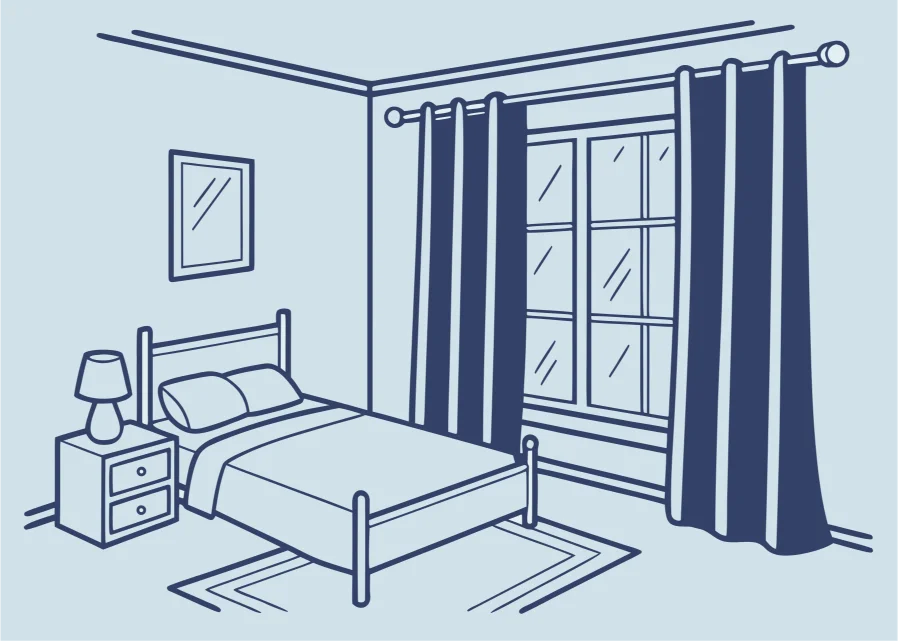
Your sleep sanctuary should support uninterrupted sleep cycles. Ideal conditions include:
- Darkness: Use blackout shades or sleep masks to block light
- Cool temperature: Maintain 60-67°F (15-19°C) for optimal deep sleep
- Quiet atmosphere: Employ earplugs or white noise machines as needed
These environmental factors support sustained deep sleep and REM phases, maximizing restorative processes essential for energy renewal.
3. Implement a Screen-Free Power-Down Hour
Blue light from electronics suppresses melatonin production, disrupting your natural circadian rhythm. Dedicate the last hour before bed to screen-free activities like reading, gentle stretching, or journaling.
This practice signals your brain that sleep approaches, facilitating easier transition into restorative sleep stages. Evening light exposure research demonstrates significant impacts on sleep onset and quality.
4. Harness Morning Sunlight for Energy Regulation
Within 30 minutes of waking, expose yourself to natural light. Morning sunlight exposure:
- Resets your circadian rhythm
- Optimizes cortisol timing
- Supports evening melatonin production
- Enhances daytime alertness
This simple practice helps synchronize your internal clock with natural light cycles, improving both sleep quality and energy levels. The benefits of getting sunlight extend beyond sleep to overall wellness.

5. Time Your Caffeine and Alcohol Strategically
Caffeine affects adenosine and sleep by blocking tiredness signals. Limit caffeine consumption to early afternoon, as its effects can persist 6-8 hours. Late-day caffeine interferes with natural sleep pressure buildup.
While alcohol may initially induce drowsiness, it significantly disrupts deep sleep for energy and REM stages once metabolized. If consuming alcohol, finish at least three hours before bedtime and keep intake moderate.
6. Master Strategic Napping for Energy Boosts
Short naps of 10-20 minutes can reset alertness without entering deep sleep phases. This duration avoids sleep inertia—the grogginess that follows awakening from deeper sleep stages.
Schedule power naps before 3:00 PM to prevent interference with nighttime sleep. Strategic napping complements, rather than replaces, quality nighttime rest for optimal sleep and energy levels.
7. Exercise Intelligently for Better Sleep Quality
Regular physical activity promotes deeper sleep cycles, but timing matters significantly. Complete vigorous workouts at least three hours before bedtime to allow body temperature and arousal levels to decrease.
Evening activities should focus on gentle movement like stretching or calm walks. These activities support relaxation without overstimulation that might disrupt sleep onset. Exercise timing research confirms the importance of workout scheduling for sleep optimization.
8. Optimize Your Diet for Sleep and Energy
Nutritional choices directly impact your ability to get more energy from sleep. Focus on balanced evening meals containing:
- Lean proteins: Support overnight tissue repair
- Complex carbohydrates: Promote serotonin and melatonin synthesis
- Healthy fats: Stabilize blood sugar throughout the night
Incorporate sleep-promoting nutrients like magnesium (leafy greens, nuts), tryptophan (turkey, pumpkin seeds), and complex carbs (sweet potatoes). These compounds support neurotransmitter balance essential for restorative sleep.
Consider herbal support through sleep-promoting teas as part of your evening routine. Certain herbs can naturally boost energy when combined with quality sleep.
9. Manage Stress for Better Sleep Architecture
Chronic stress elevates nighttime cortisol levels, fragmenting sleep cycles and reducing restorative stages. Effective stress management techniques include:
- Mindfulness meditation: Calms racing thoughts
- Deep breathing exercises: Activates relaxation response
- Progressive muscle relaxation: Releases physical tension
- Worry journaling: Externalizes concerns before sleep
These practices help maintain healthy cortisol patterns, supporting both sleep onset and maintenance throughout the night.
10. Consider Targeted Sleep Supplements
While a balanced diet should provide most nutrients, specific supplements may support sleep for energy optimization:
- Magnesium: Promotes muscle relaxation and nervous system calm
- Low-dose melatonin: Helps shift circadian rhythm timing
- L-theanine: Supports relaxation without sedation
Always consult healthcare professionals before starting supplement regimens. Individual needs vary, and some supplements may interact with medications or underlying health conditions.
Advanced Strategies for Energy Optimization
Understanding Your Personal Sleep Needs
While most adults require 7-9 hours nightly, optimal duration varies based on genetics, age, and lifestyle factors. Pay attention to how you feel with different sleep amounts rather than fixating on specific numbers.
Quality indicators matter more than duration alone. You’ve achieved optimal sleep for energy when you:
- Wake naturally without alarms
- Feel alert throughout the day
- Don’t require caffeine for basic functioning
- Experience consistent energy levels
Addressing Common Sleep Disruptors
Blood sugar fluctuations can significantly impact sleep quality and energy levels. Unstable glucose disrupts sleep architecture and affects hormonal balance. Learn more about blood sugar and energy level connections to optimize both sleep and daytime vitality.
Inflammation represents another common energy drain that affects sleep quality. Chronic inflammatory states disrupt normal sleep patterns and reduce restorative processes. Understanding the relationship between inflammation and fatigue helps address underlying energy barriers.
Creating Sustainable Energy Habits
Long-term success requires sustainable practices rather than dramatic changes. Start with one or two strategies from this guide, implementing them consistently for 2-3 weeks before adding others.
Track your progress through:
- Sleep duration and quality ratings
- Morning energy levels (1-10 scale)
- Daytime alertness patterns
- Evening wind-down effectiveness
This data helps identify which strategies most effectively improve your relationship between sleep and energy.
Frequently Asked Questions About Sleep for Energy
How many hours of sleep do I really need for energy?
Most adults need 7-9 hours nightly for optimal energy levels. However, individual requirements vary based on genetics, age, health status, and lifestyle demands. Focus on sleep quality alongside duration—7 hours of uninterrupted, deep sleep often provides more energy than 9 hours of fragmented rest.
What is the best stage of sleep for energy restoration?
Deep sleep for energy represents the most crucial stage for physical restoration. During deep sleep, growth hormone peaks, tissues repair, and energy reserves replenish. However, REM sleep also contributes to energy by supporting mental restoration and emotional processing.
Can you “catch up” on sleep during weekends?
While occasional extra sleep can address acute sleep debt, chronic inconsistency undermines circadian rhythm alignment. Weekend sleep-ins often delay your natural sleep-wake cycle, making Monday mornings more difficult. Instead of sleeping in, consider strategic napping or gradually adjusting your regular sleep schedule.
What should I do if I wake up in the middle of the night?
If you can’t fall back asleep within 20 minutes, leave your bed and engage in a calm, dim-light activity until sleepiness returns. Avoid screens and bright lights, which can further disrupt your circadian rhythm. Reading, gentle stretching, or meditation often help facilitate sleep return.
How does age affect sleep and energy levels?
Sleep architecture naturally changes with age. Older adults typically experience:
Reduced deep sleep percentages
More frequent nighttime awakenings
Earlier bedtimes and wake times
Decreased sleep efficiency
These changes require adjusted strategies for maintaining energy levels. Consistent sleep schedules, optimal sleep environments, and regular exercise become increasingly important with age.
Transform Your Sleep for Lasting Energy
Sleep for energy optimization requires patience and consistency rather than perfection. Start tonight by implementing one or two strategies—perhaps creating a screen-free hour and optimizing your sleep environment temperature.
Monitor how these changes affect your morning energy levels and daytime vitality. Small, consistent improvements in sleep quality compound over time, creating sustainable energy improvements that enhance every aspect of your life.
Remember that how sleep affects energy extends beyond simple rest. Quality sleep supports immune function, cognitive performance, emotional regulation, and physical recovery. By prioritizing sleep optimization, you invest in comprehensive wellness that radiates through all areas of your life.
Sweet dreams and energized days await as you master the science of sleep and energy levels. Your journey toward sustained vitality begins with tonight’s rest—make it count.