
High blood pressure affects over a billion people globally, and many ask the same question: can high blood pressure make you tired?.
The answer is a definitive yes. Although hypertension is often called the “silent killer” because it lacks obvious symptoms, persistent fatigue can be one of its most common and overlooked consequences.
This article explains the connection between high blood pressure and tiredness, the role medications play, and what you can do to get your energy back.
3 Reasons High Blood Pressure Makes You Feel Tired
1. Your Heart Is Working Overtime
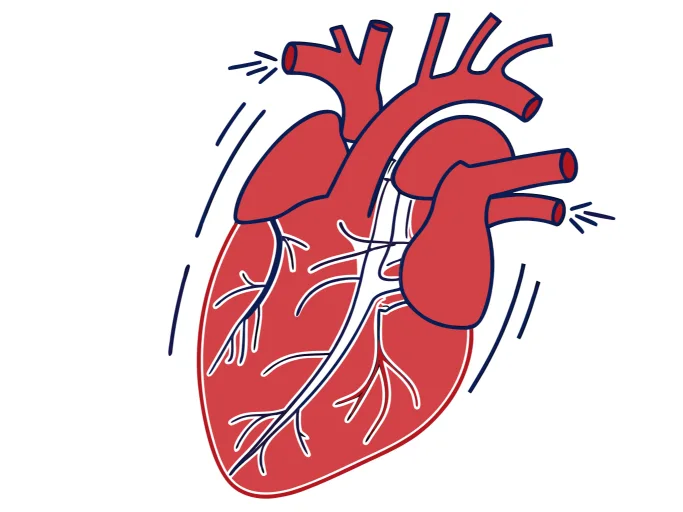
When you have high blood pressure for a long time, your heart is forced to work much harder to pump blood. This strain causes the heart muscle to thicken and enlarge, a condition known as left ventricular hypertrophy (LVH).
An enlarged heart requires more oxygen to work properly. However, it becomes harder for the heart to maintain its own blood flow, making it overworked and inefficient, which leaves you feeling exhausted. As the heart muscle becomes less elastic, blood flow slows down, which reduces the delivery of oxygen and nutrients to your body’s tissues and causes sluggishness.
2. Artery Damage Restricts Energy Flow
High blood pressure doesn’t just strain your heart; it also damages your arteries over time. The constant force of high pressure makes arteries more rigid, thicker, and less elastic. This damage slows down blood flow throughout your body, limiting the oxygen and nutrients delivered to your muscles, brain, and other organs. This can lead to:
- Mental fog and lethargy.
- Kidney strain, which allows toxins to build up in your body, further draining your energy.
3. Blood Pressure Medications Are Often the Real Culprit
While high blood pressure itself can make you tired, blood pressure medication is often the main reason for fatigue. These medicines are essential for heart health, but studies confirm they can also reduce your energy levels.
- Beta-Blockers (e.g., metoprolol, atenolol): These drugs are well-known for causing tiredness. They work by slowing your heart rate and reducing the force of its pumping action. Research shows that about one in every 57 people who take beta-blockers will experience fatigue as a result.
- Diuretics (Water Pills): Diuretics can make you tired by causing dehydration if you don’t drink enough water. They also flush essential minerals like potassium from your body. Low potassium levels can directly cause weakness, muscle cramps, and fatigue.
- Other Medications: Alpha-blockers and other types of blood pressure drugs can also cause tiredness as your body adjusts to lower blood pressure, which can temporarily reduce blood flow to certain areas.
Important: Never stop taking your blood pressure medication without consulting your doctor. Stopping suddenly can lead to a rapid spike in blood pressure, chest pain, a heart attack, or even death.
Lifestyle Factors That Make Tiredness Worse
Certain conditions common in people with high blood pressure can also cause or worsen fatigue.
- Sleep Apnea: There is a strong link between sleep apnea, high blood pressure, and fatigue. An estimated 30-50% of people with hypertension also have obstructive sleep apnea. The interrupted breathing ruins sleep quality, leading to daytime exhaustion while also raising blood pressure.
- Lack of Exercise: Being inactive creates a vicious cycle that worsens both blood pressure and energy levels.
- Poor Diet and Stress: High-sodium diets contribute to hypertension and can make you feel sluggish. At the same time, chronic stress raises blood pressure and drains both your physical and mental energy.
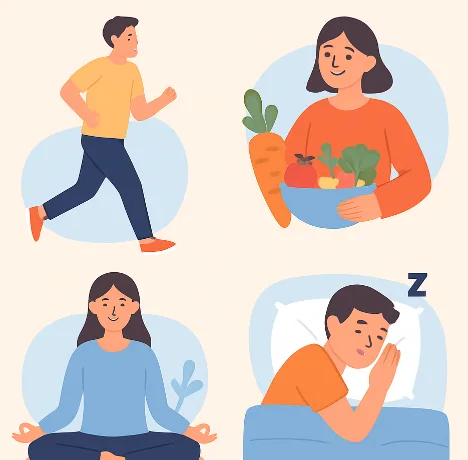
5 Evidence-Based Ways to Boost Your Energy
You can manage both high blood pressure and fatigue with a proactive approach.
- Talk to Your Doctor: This is the most important step. Your doctor can review your medications to see if they are the cause of your fatigue. They might adjust your dosage, change the timing, or switch you to a different medication less likely to cause tiredness.
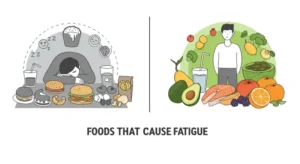
- Adopt a Heart-Healthy Diet: The DASH (Dietary Approaches to Stop Hypertension) diet is proven to lower blood pressure, sometimes within two weeks. Focus on fruits, vegetables, whole grains, and lean proteins while cutting back on salt, sugar, and saturated fat.
- Start Moving Gently: Regular exercise is one of the best ways to fight high blood pressure and fatigue. It boosts energy by improving circulation and makes your heart more efficient. Aim for 30 minutes of moderate activity like walking, swimming, or cycling most days of the week.
- Prioritize Quality Sleep: Go to bed and wake up at consistent times, create a restful environment, and avoid caffeine late in the day. Addressing sleep disorders like sleep apnea is critical for both blood pressure control and energy levels.
- Manage Your Stress: Chronic stress contributes to both high blood pressure and tiredness. Incorporate stress-reducing practices like meditation, yoga, or deep breathing into your day. Even 10-15 minutes daily can improve your energy and help control blood pressure.
When to See a Doctor Immediately
According to the American Heart Association, you should seek immediate medical care if you experience a blood pressure reading of 180/120 mmHg or higher, or if you have fatigue along with any of the following symptoms:
- Sudden or severe fatigue
- Chest pain, dizziness, or shortness of breath
- Headache, confusion, or blurred vision
You should also see your doctor if you are concerned that your medication is causing side effects.
Frequently Asked Questions (FAQ)
Q1: Does high blood pressure make you feel tired and sleepy?
Yes. Damage to arteries can reduce blood flow to the brain, causing mental fog and lethargy. Furthermore, the heart has to work harder, using more energy and leaving you feeling exhausted.
Q2: Can lowering my blood pressure give me more energy?
Yes. By managing your blood pressure through diet, exercise, and proper medication, you reduce the strain on your heart and improve circulation. This allows more oxygen and nutrients to reach your tissues, which can significantly boost your energy levels.
Q3: Why do I feel so tired after starting blood pressure medicine?
Many blood pressure medicines, especially beta-blockers and diuretics, are known to cause fatigue. This can happen because they slow your heart rate, reduce blood volume, or deplete minerals like potassium. This feeling often occurs as your body adjusts to the medication. Talk to your doctor if it persists.
Your Path to Better Energy and Blood Pressure Control
High blood pressure and fatigue are closely linked, but both can be improved. While heart strain and poor circulation play a role, medication side effects often cause persistent tiredness. The good news: diet, exercise, stress control, and quality sleep can lower blood pressure and boost energy. Partner with your healthcare provider to find the right treatment plan that protects your heart and helps you feel your best.