

Do you feel tired despite getting enough sleep? Hit an energy wall every afternoon? The answer might lie in understanding what is metabolic age — a powerful metric that reveals your body’s true energy efficiency.
Metabolic age meaning goes beyond calendar years. It measures how efficiently your body burns fuel at rest compared to others in your age group. It’s amazing, but getting your body’s metabolism younger can give you steady energy all day long.
Understanding Metabolic Age: More Than Just a Number
What is metabolic age exactly? Your real age is how long you’ve lived. But your metabolic age shows how well your body burns calories when you’re resting, compared to others your age. To complement this, learning about metabolic types helps you understand individual differences in metabolism and energy use. Think of it as your body’s “efficiency age” versus its “calendar age.”
If your metabolic age is lower than your chronological age, your body functions more efficiently than the average person your age. You essentially have the metabolic efficiency of someone younger.
This is important because your metabolic age affects your energy, health, and how lively you feel. Studies show that people with younger metabolic ages tend to have better body shapes, lower blood pressure, and are healthier overall.
The Science Behind Metabolic Age Calculation
Basal Metabolic Rate: The Foundation
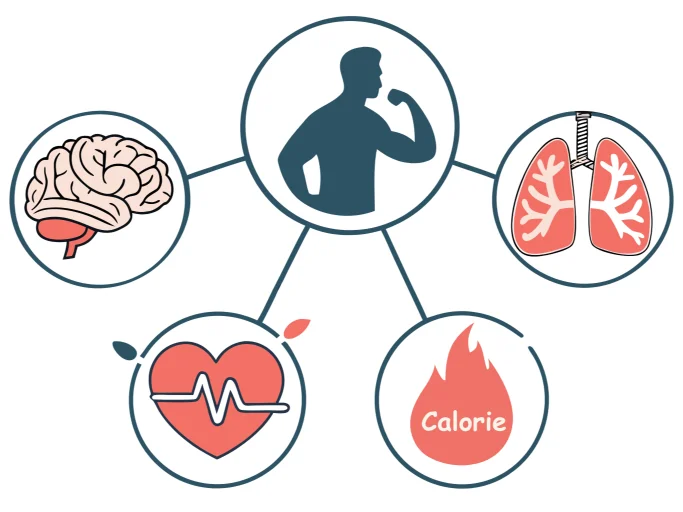
At the heart of metabolic age meaning lies your Basal Metabolic Rate (BMR) — the calories your body needs for basic life-sustaining functions at rest. This includes breathing, blood circulation, cell production, nutrient processing, and maintaining body temperature.
Your BMR represents about 60-70% of the calories you burn daily, making it the largest component of your total energy expenditure. Even when completely inactive, your body constantly burns calories to keep you alive.
How Metabolic Age Is Calculated
Metabolic age is calculated by comparing your BMR against a database of age-group averages. If your BMR matches the average for 25-year-olds, your metabolic age is 25, regardless of whether you’re actually 30 or 40.
The most widely used BMR formulas include these variables:
For Men: BMR = 10 × weight (kg) + 6.25 × height (cm) – 5 × age (years) + 5
For Women: BMR = 10 × weight (kg) + 6.25 × height (cm) – 5 × age (years) – 161
These calculations factor in height, weight, age, and biological sex. Better tests might also check your body fat and muscle, which are very important for how well your body uses energy.
How Metabolic Age Controls Your Daily Energy
Your Metabolism as an Energy Factory
Think of your metabolism as your body’s power plant, always on. If you have a high BMR (meaning a “younger” metabolic age), your body burns fuel better all the time. This gives you steady energy.
That’s why some people have lots of energy, while others feel tired, even if they do the same things. When you know what metabolic age is, you can understand why people have such different energy levels.
Muscle Mass: Your Metabolic Powerhouse
Muscle is the main thing that speeds up your metabolism and makes energy. Research shows that one pound of muscle burns 7-10 calories a day when you’re resting, while one pound of fat only burns 2-3 calories.
People with more muscle have faster metabolisms, which means they make more energy all the time, even when resting. Muscle uses energy to keep itself going, fix itself, and work.
Why High Metabolic Age Drains Your Energy
If your metabolic age is higher than your real age, it means your metabolism isn’t working as well as it should for someone your age. This slower metabolism directly translates to reduced energy availability throughout the day.
The symptoms are unmistakable:
- Persistent exhaustion despite adequate sleep
- Difficulty maintaining energy levels throughout the day
- The familiar afternoon energy crash
- Running on empty feeling
Studies show that when mitochondria (the parts of cells that make energy) don’t work as well, it causes tiredness and less energy as we get older.
5 Proven Ways to Lower Your Metabolic Age and Boost Energy
1. Prioritize Protein at Every Meal
Protein helps build muscle, which speeds up your metabolism. When you eat protein, you give your body what it needs to build and maintain muscle, which helps you burn more energy.
Action steps:
- Aim for 20-40g of high-quality protein per meal
- Include protein sources like eggs, lean meats, fish, legumes, or protein powder
- Spread protein intake throughout the day for optimal muscle protein synthesis
Protein makes your body burn more calories when digesting it than when digesting carbs or fats. This is because protein has the highest thermic effect of food (TEF). This creates an immediate energy boost while supporting long-term muscle development.
Another dietary approach worth exploring is the metabolic confusion diet, which involves varying your calorie intake to keep your metabolism responsive and prevent plateaus. This strategy can complement your protein intake by further stimulating metabolic rate and energy expenditure.
Energy benefit: Eating more protein helps keep your blood sugar and energy levels steady. This stops you from feeling sudden crashes and keeps you energized.
2. Embrace Strength Training
Strength training is the best way to build muscle, speed up your metabolism (BMR), and turn your body into an energy-burning machine. Cardio mainly burns calories while you’re doing it, but strength training builds muscle, which changes your metabolism for the long term.
Recommended approach:
- 2-3 strength training sessions per week
- Focus on compound movements: squats, deadlifts, rows, presses
- Progressive overload to continuously challenge muscles
Energy benefit: When you have more muscle, your body burns more calories all the time. This gives you steady energy and helps you avoid feeling tired in the afternoon.
3. Incorporate High-Intensity Interval Training (HIIT)
HIIT creates a powerful “afterburn effect” called Excess Post-Exercise Oxygen Consumption (EPOC). After an intense HIIT session, your body continues burning calories at an elevated rate for 30-180 minutes post-workout.
Even 15 minutes of HIIT can provide the same EPOC energy expenditure as 30 minutes of moderate cardio, making it perfect for busy schedules.
Energy benefit: HIIT workouts keep your metabolism high even after you finish exercising. This gives you energy throughout the day and helps your body use energy more efficiently. Check out how to improve stamina without running for alternative approaches.
4. Stay Properly Hydrated
Water is essential for every metabolic process, including energy production. Inside your cells, water helps with the chemical reactions that turn food into ATP. ATP is like the energy currency your body uses.
Proper hydration also creates water-induced thermogenesis. Drinking water, especially cold water, can briefly speed up your metabolism as your body warms the water up.
Hydration guidelines:
- Aim for 8-10 glasses of water daily
- Drink a glass upon waking to kickstart metabolism
- Monitor urine color for hydration status
Energy benefit: Staying hydrated helps your cells make energy properly and stops you from feeling tired due to dehydration.
5. Prioritize Quality Sleep
Not getting enough sleep messes up the hormones that control your metabolism and energy levels. When you don’t sleep well, you have more of the hunger hormone (ghrelin) and the stress hormone (cortisol), and less of the hormone that makes you feel full (leptin). This mix slows down your metabolism and makes you feel tired.
Good sleep helps release growth hormones and keeps your hormones balanced for a good metabolism. When you’re in a deep sleep, your body fixes and recovers, which keeps your metabolism healthy.
Sleep optimization tips:
- Aim for 7-9 hours of consistent sleep
- Maintain regular sleep-wake times
- Create a cool, dark sleeping environment
- Limit screens 1-2 hours before bed
Energy benefit: Getting regular, restful sleep keeps your metabolic hormones balanced, which helps you have consistent energy. Explore core sleep and deep sleep for optimization strategies.
Additional Factors That Impact Metabolic Age
Nutrition Beyond Protein
Besides protein, metabolic nutrition also includes complex carbohydrates and healthy fats, all of which contribute to improving your metabolic efficiency.
- Complex carbohydrates provide steady energy without blood sugar spikes
- Healthy fats support hormone production and cellular function
- Fiber-rich foods increase the thermic effect and support gut health
Avoid foods that cause fatigue and focus on foods that naturally increase energy.
Stress Management
Constant stress raises cortisol levels, which can slow down your metabolism and cause you to store more fat, especially around your belly. Research on inflammation and fatigue shows how stress-induced inflammation impacts energy production.
Mitochondrial Health
Your cellular powerhouses play a crucial role in energy production. Support mitochondrial function through foods that improve mitochondrial function and regular exercise.
Measuring Your Metabolic Age
At-Home Assessment
You can estimate your metabolic age using BMR calculators and standard formulas. Many smart scales claim to measure metabolic age using bioelectrical impedance technology. However, these home methods provide estimates rather than precise measurements.
Professional Testing
The most accurate assessments require professional testing such as:
- Indirect calorimetry
- DEXA scans for body composition
- Comprehensive metabolic panels
Smart scales are handy for watching changes in your weight, but they might not be totally correct because things like how much water you’ve drunk and your body type can affect the reading.
Timeline for Metabolic Age Improvement
Short-term changes (2-4 weeks):
- Improved energy levels from better nutrition and hydration
- Better sleep quality
- Reduced afternoon energy crashes
Medium-term changes (2-3 months):
- Noticeable muscle mass increases
- Improved strength and endurance
- Better body composition
Long-term changes (3-6+ months):
- Significant metabolic age reduction
- Sustained energy improvements
- Better overall health markers
The speed of improvement depends on your starting point and consistency. Building muscle, sleeping better, and eating well can all help lower your metabolic age slowly.lic age reduction.
What Your Metabolic Age Numbers Mean
Best case: If your metabolic age is the same or lower than your real age, it means you have a healthy and efficient metabolism.
Be careful: If your metabolic age is much higher than your real age, you may need to improve your metabolic health.
Studies show that people with lower metabolic ages usually have healthier hearts, are less likely to get sick, and have more energy.
Common Metabolic Age Myths Debunked
Myth: Metabolic Age Is Fixed
Reality: You can change your metabolic age a lot by making healthy choices like lifting weights, eating well, sleeping enough, and managing stress.
Myth: Only Young People Can Have Good Metabolic Ages
Reality: People of any age can improve their metabolic age through consistent healthy habits.
Myth: Cardio Is Best for Metabolic Age
Reality: While cardio is good, lifting weights is best for improving your metabolic age because it helps you keep and build muscle.
Troubleshooting Common Energy Problems
If you’re still experiencing chronic pain and fatigue or wondering why you’re tired after 8 hours sleep, consider:
- Underlying health conditions
- Nutritional deficiencies
- Hormonal imbalances
- Sleep disorders
For immediate relief, explore quick energy fixes and learn how to beat afternoon fatigue.
Creating Your Metabolic Age Action Plan
Week 1-2: Foundation Building
- Calculate your current estimated metabolic age
- Assess your current protein intake and increase if needed
- Establish a consistent sleep schedule
- Begin tracking your energy levels throughout the day
Week 3-4: Exercise Integration
- Start with 2 strength training sessions per week
- Add 1-2 HIIT sessions
- Increase daily water intake
- Implement stress management techniques
Month 2-3: Optimization
- Progress your strength training program
- Fine-tune nutrition timing
- Address any remaining energy barriers
- Consider professional metabolic testing
Frequently Asked Questions
What is a good metabolic age?
Ideally, your metabolic age should equal or be lower than your chronological age. If you’re 35 and your metabolic age is 30, this indicates excellent metabolic health.
Can I calculate my metabolic age at home?
Yes, you can estimate it using BMR calculators, though professional testing provides more accurate results.
How quickly can I improve my metabolic age?
Improvements can begin within weeks, but significant changes typically take 3-6 months of consistent effort.
Is it concerning if my metabolic age is higher than my real age?
A higher metabolic age indicates suboptimal metabolic function but is modifiable through lifestyle changes.
Taking Action: Your Next Steps
Understanding what is metabolic age and its meaning is just the beginning. Your metabolic age isn’t fixed — it’s a dynamic system that responds remarkably well to the right interventions.
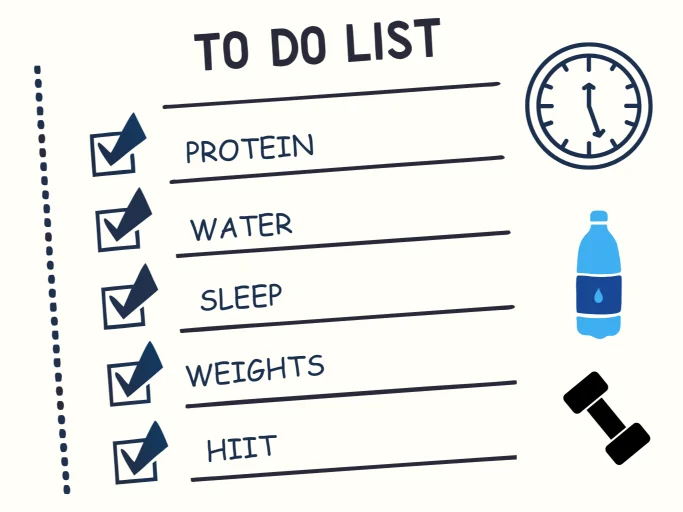
The path forward requires commitment but is straightforward:
- Prioritize protein at every meal
- Embrace strength training as your metabolic foundation
- Incorporate HIIT for the afterburn advantage
- Stay consistently hydrated
- Never compromise on quality sleep
These aren’t just workout tips, they’re ways to make your body work better. Start with one change today, like eating a breakfast with lots of protein, planning a weightlifting workout, or creating a morning routine that gives you energy.
You’ll be glad you started now! You can also look up tips for boosting energy and natural electrolytes to help you on your journey to improve your metabolic age.