

Do you ever feel tired even after a good night’s sleep? That mid-afternoon crash may not be from your morning coffee wearing off. It might be because your body lacks electrolytes for energy—essential minerals that keep your cells working properly.
These tiny minerals help your body make energy, stay hydrated, and keep your muscles and nerves working right. While people often reach for caffeine or sugar for a quick energy boost, electrolytes are a more natural and effective solution.
What Are Electrolytes?
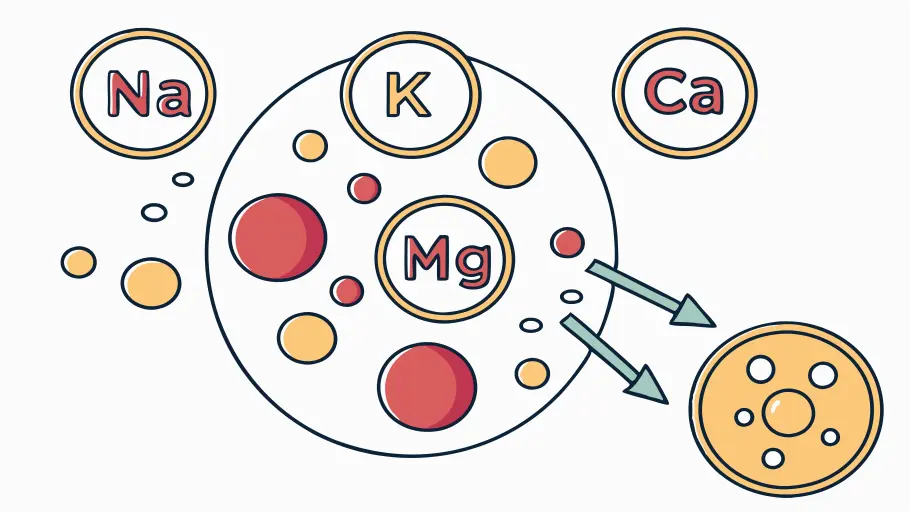
Electrolytes are minerals that carry an electric charge when dissolved in water. Your body needs them to perform many key functions, like muscle movement, nerve communication, and fluid balance.
Main electrolytes include:
- Sodium – Helps control fluids outside your cells and keeps blood pressure stable.
- Potassium – Supports fluid balance inside cells and helps muscles contract.
- Calcium – Important for strong bones, muscle movement, and nerve signals.
- Magnesium – Helps your body produce energy and relax muscles.
- Chloride – Works with sodium to keep fluids balanced and supports digestion.
- Phosphate – Stores energy in cells.
- Bicarbonate – Keeps your body’s pH in balance.
Your kidneys and hormones help keep these electrolytes at the right levels. But sweating, dehydration, certain medications, or poor diet can throw things off, causing your energy to drop.
Are Electrolytes Good for Energy?
Yes, and here’s why.
Cellular Energy Production
Electrolytes like potassium and magnesium are needed for your cells to make ATP, your body’s main energy source. If potassium or magnesium levels are too low, your energy drops fast. Research shows that low potassium (hypokalemia) makes it harder to produce ATP, and even mild magnesium deficiency can disrupt energy production.
Hydration Matters
Hydration isn’t just about drinking water. Electrolytes help your body absorb and use water. Sodium keeps fluid levels in balance, and potassium helps fluid stay inside your cells. Without enough electrolytes, you may feel tired, foggy, or have headaches.
Nerves and Muscles Rely on Electrolytes
Muscles need calcium to contract and relax. When calcium or magnesium is low, muscles can cramp or feel weak. Electrolytes also help nerves send messages to your brain and muscles. Without them, both systems slow down, making you feel exhausted.

Best Electrolytes for Energy
While all electrolytes are important, four are especially critical when it comes to energy.
1. Sodium – The Powerhouse Outside Cells
Sodium helps move fluids and send nerve signals. You lose sodium through sweat, especially during exercise. Low sodium can cause weakness, confusion, and poor endurance. Athletes with low sodium levels often feel sluggish.
2. Potassium – The Inner-Cell Regulator
Potassium helps turn glucose into usable energy and supports muscle and brain function. It’s especially important for endurance and focus. Foods like baked potatoes and spinach are excellent natural sources.
3. Magnesium – The Energy Enabler
Magnesium supports over 300 body functions, many of them related to producing energy. It helps break down food and regulate mood and sleep—key components of staying energized. Pumpkin seeds and dark chocolate are great sources.
4. Calcium – For Strong Muscles
Beyond bones, calcium activates muscle contractions. Low calcium can lead to cramps, fatigue, and slower recovery. Sardines and kale are great choices for boosting calcium naturally.

Signs You May Have an Electrolyte Imbalance
Wondering if you’re low on electrolytes? Here are the most common symptoms:
- Fatigue or weakness that doesn’t go away with rest
- Brain fog or dizziness
- Muscle cramps, especially in the legs
- Heart palpitations or irregular heartbeat
- Dry mouth, dark urine, or feeling very thirsty
These symptoms often point to dehydration and electrolyte loss.
What Causes Electrolyte Loss?
Several everyday factors can deplete your electrolyte levels:
Exercise and sweating – Intense workouts can drain sodium, potassium, and magnesium.
Illness – Vomiting or diarrhea can quickly cause major imbalances.
Caffeine, alcohol, and diuretics – These flush fluids and electrolytes out of your system.
Poor diet – Processed foods may contain sodium but lack other key electrolytes.

How to Replenish Electrolytes for Energy
You don’t need fancy supplements or sports drinks to stay balanced. Here’s how to restore your electrolytes naturally.
Eat Real Food
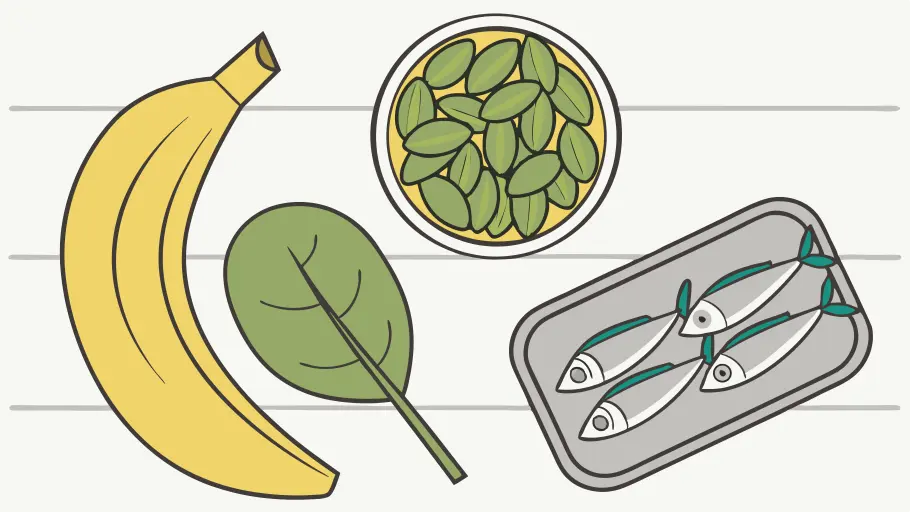
Whole foods are the best source of electrolytes for energy:
- Sodium – Pickled vegetables, cottage cheese
- Potassium – Baked potatoes, spinach
- Magnesium – Pumpkin seeds, dark chocolate
- Calcium – Sardines, kale
Try Natural Electrolyte Drinks
Skip the sugary sports drinks. Try these instead:
- Coconut water – A natural mix of sodium and potassium
- DIY electrolyte drink – Mix 1 liter water, ¼ tsp salt, ¼ tsp baking soda, 2 tbsp honey, and juice of 1 lemon
The World Health Organization’s oral rehydration solution is another safe and effective option.
Use Supplements Carefully
You might need supplements if:
- You’re doing long workouts in the heat
- You’re recovering from illness
- You take medications that affect minerals
- You follow keto or fasting diets
Check with your doctor before adding electrolyte supplements.
When to Focus on Electrolyte Intake
You should pay extra attention to electrolytes in these situations:
- Before, during, and after workouts – Helps with endurance and recovery
- In hot weather – Prevents heat-related fatigue
- During or after illness – Rebuilds your energy faster
- On keto or fasting diets – Helps avoid energy crashes and “keto flu”
Combining the best electrolytes for energy with top energy-boosting exercises can enhance your physical and mental performance.
Common Myths About Electrolytes and Energy
Let’s clear up some confusion.
Myth: More electrolytes = more energy
Fact: You need the right balance. Too much sodium or potassium can be harmful. Balance is key.
Myth: Sports drinks are always necessary
Fact: Most people don’t need them unless exercising for more than an hour. Water and food are usually enough.

Final Thoughts: Energize Naturally
Electrolytes are essential for energy—but they’re often ignored. Instead of reaching for coffee or energy drinks, consider checking your electrolyte levels. Eating the right foods, staying hydrated, and being mindful of what your body needs can help you feel more energized every day.
You don’t need to overhaul your routine. Just small changes—like drinking more coconut water, eating mineral-rich foods, or replacing lost electrolytes after exercise—can make a big difference.Are electrolytes good for energy? Absolutely. In fact, they might be one of the most underrated tools in your energy-boosting toolkit.
Are you ready to energize your life through better electrolyte balance?