
Knowing your metabolic type is a popular idea for people who want to eat the right foods for their bodies. But what is my metabolic type? and how can it help you be healthier? This guide will explain what metabolic typing is, whether it’s based on science, and other ways to eat well that are proven to work.
What Is Metabolic Typing?
Metabolic typing is a way of thinking about food that says everyone’s body works differently. It suggests that we all need a specific diet to be healthy and have energy. According to this idea, people can be sorted into different groups based on how their bodies react to foods like protein, carbs, and fat. Each group is said to need a different diet.
The idea behind metabolic typing is that you’ll be healthiest if you eat based on your genes and nervous system. In the 1980s, William Wolcott created a diet called “The Metabolic Typing Diet.” He built on the work of a dentist named William Donald Kelley, who had similar ideas in the 1960s.
The Science Behind Metabolic Dominance
Wolcott believed that diets affect people differently because everyone has a “Dominance Factor.” This means that either their Autonomic or Oxidative system is stronger, and this affects how their body uses food. So, a diet that makes one person feel great might make another person feel bad.
Metabolic typing theory also says that different foods balance the body’s pH levels and make it work better, potentially influencing your metabolic rate. People who support this idea say that foods that make one group of people’s bodies more acidic will make another group’s bodies more alkaline, and the other way around.
The 3 Main Metabolic Types Explained
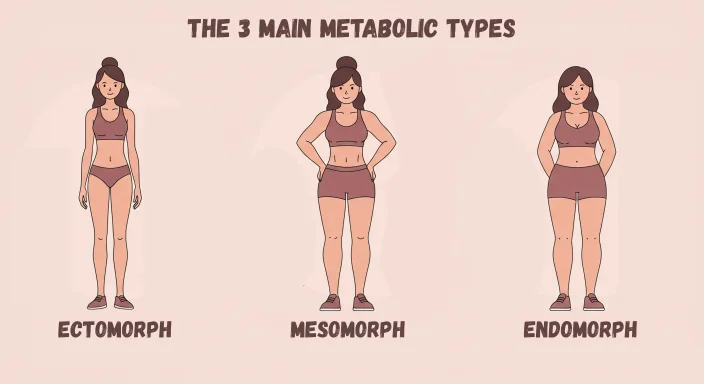
Metabolic typing is similar to the idea of somatotypes, which are body type categories created by William Herbert Sheldon in the 1940s. However, the diets that each system recommends are different. Understanding these three primary types can help answer “what is my metabolic type?”
The Ectomorph Type (Carbohydrate Type)
How They Look:
Ectomorphs are usually tall and thin with narrow shoulders and hips, which can make gaining muscle more challenging. Their arms and legs are long and slender, and they don’t have much muscle or fat. They often have delicate bones and thin muscles, and it’s hard for them to gain weight. Examples of athletes with this body type are long-distance runners and basketball players.
How Their Bodies Work:
According to metabolic typing, ectomorphs have a fast metabolism that burns calories quickly. It’s hard for them to build muscle. They usually get energy from meals with lots of carbs and might feel tired if they eat high-fat breakfasts.
Diet Recommendations for Ectomorphs:
- High carbohydrate intake (around 60% of calories)
- Moderate protein (around 25% of calories) is recommended for those looking to gain muscle effectively.
- Lower fat intake (around 15% of calories)
- Focus on light proteins, grains, fruits, and certain juices
- Emphasis on foods that naturally increase energy like complex carbohydrates
Exercise Recommendations:
Short, hard workouts that focus on big muscle groups are best. They should focus on lifting weights to build muscle.
The Mesomorph Type (Mixed Type)
How They Look:
Mesomorphs usually have an athletic and muscular build with broad shoulders and narrower hips, making them well-suited for various exercise routines. They naturally have strong, rectangular-shaped bodies typical of the mesomorph body type, which is associated with higher muscle mass. They tend to have well-defined muscles and can gain or lose weight easily. This body type is often seen as ideal for bodybuilding.
How Their Bodies Work:
Mesomorphs usually have a balanced metabolism, which means they can build muscle relatively easily while keeping a moderate amount of body fat. They typically do well with balanced meals and have steady blood sugar and energy levels throughout the day.
Diet Recommendations for Mesomorphs:
- Balanced macronutrients with relatively equal amounts of proteins, fats, and carbohydrates
- 30% protein, 20% fat, 50% carbohydrates
- Mixed types of proteins including cheese, eggs, yogurt, tofu, and nuts
- Focus on whole foods that support sustained energy
Exercise Recommendations:
For mesomorphs, doing both cardio and weight training works well because it helps them build and maintain muscle easily.
The Endomorph Type (Protein/Fat Type)
How They Look:
Endomorphs usually have a softer, rounder body with a larger build, short, thick neck, and shorter arms and legs. They tend to have a “pear-shaped” body and are more likely to store body fat. They generally have a slower metabolism.
How Their Bodies Work:
Endomorphs are thought to have a slower metabolism and are more likely to gain weight and store fat. They might have better energy levels if they eat more protein and fat, while carbs could lead to energy crashes and cravings, particularly for those with an endomorph body type.
Diet Recommendations for Endomorphs:
- Higher protein and fat intake (40% protein, 30% fat)
- Lower carbohydrate consumption (30% carbohydrates)
- Focus on red meat, organ meats, high-purine proteins, butter, and cream
- Restriction of certain fruits, bread, and processed carbohydrates can affect your basal metabolic rate.
- Emphasis on foods that improve stamina through sustained energy release
Exercise Recommendations:
Regular cardio is important, along with weight training to keep muscle and help their metabolism.
Metabolic Type Self-Assessment Quiz
Important Note: This quiz is based on the popular theory of metabolic typing and is for informational purposes only. It is not a substitute for professional medical or nutritional advice.
For each question, choose the answer that best describes you:
- Do you have an appetite for breakfast?
- A. Usually have a good appetite
- B. Rarely hungry in the morning
- How do you feel after eating a high-carbohydrate breakfast (toast, cereal)?
- A. Energized for a few hours, then crash
- B. Sustained energy until lunch
- How do you respond to a high-fat, high-protein breakfast (eggs, bacon)?
- A. Feel energized and satisfied
- B. Feel heavy or sluggish
- Does one cup of coffee make you jittery?
- A. Yes, very sensitive to caffeine
- B. No, can handle caffeine well
- Do you crave more carbohydrates after eating them?
- A. Yes, often want more bread/pasta
- B. No, feel satisfied
- Which desserts do you prefer?
- A. Rich, creamy desserts (cheesecake, ice cream)
- B. Light, fruity desserts (fruit pies, sorbets) can be enjoyed in moderation as part of a balanced diet rich in nutrients.
- What are your favorite comfort foods?
- A. Salty, fatty foods (chips, cheese, nuts)
- B. Sweet foods (candy, fruit, soft drinks)
- Does eating heavy food before bed affect your sleep?
- A. No, sleep fine
- B. Yes, disrupts sleep
- How much do you like salty foods?
- A. Love salt, add it to most foods
- B. Moderate salt preference
- Do you often get strong hunger pangs?
- A. Yes, get genuinely hungry
- B. Rarely feel truly hungry
- How well do you digest red meat?
- A. Digest it easily, feel energized
- B. Find it hard to digest or feel heavy
- Your body temperature tends to be:
- A. Often too warm
- B. Often too cold
- C. Neither consistently
- Which foods seem to cause weight gain?
- A. Bread and pasta
- B. Meat and fatty foods
- Your energy levels throughout the day are:
- A. Steady with protein and fat
- B. Better with carbohydrates and lighter foods for those with an ectomorph body type.
- Your personality tends to be:
- A. More introverted, analytical
- B. More extroverted, energetic
Quiz Results Interpretation
Mostly A’s (10+): You might be a Protein/Fat Type. This means you might feel better eating more protein and fat, with some carbs, to support your workout routine.
Mostly B’s (10+): You might be a Carb Type. This means you might feel better eating more carbs and less heavy proteins.
Mixed answers or close scores: You might be a Mixed Type. This means you might feel best with a balance of protein, fat, and carbs.
Important note: This is just a theory and not a substitute for advice from a doctor or nutritionist.
The Scientific Evidence: What Research Actually Shows
Arguments Supporting Metabolic Typing
The theory has intuitive appeal for several reasons. Many people say they’ve had good results with metabolic typing. The idea that everyone has different nutritional needs is also supported by personalized nutrition research.
Some experts say metabolic typing works well, with clients reporting more energy, better weight control, and feeling healthier. Focusing on whole foods and personalized plans also fits with general health advice for improving body composition.
The Scientific Evidence Against Metabolic Typing
However, the scientific evidence specifically supporting traditional metabolic typing theory is extremely limited. Metabolic typing is classified as a pseudoscience by mainstream nutrition science, despite its claims about metabolism and body composition. Several critical points emerge from the research on metabolic rate and its impact on body composition:
Not enough research:
Even though it’s been around for decades, there’s not much solid scientific proof that diets based on body types improve health. Most of the evidence is just personal stories, not research studies.
Unreliable tests:
A study in 1985 found big problems with how metabolic typing is tested. When one person gave two sets of blood and urine samples, they got very different diet plans. This makes the test results seem unreliable.
Too simple:
Nutrition science today shows that metabolism is much more complex than this theory suggests. Many things affect how our bodies use food, including:
- Age and hormonal changes
- Activity level and exercise habits
- Gut microbiome composition
- Environmental factors
- Genetics (but in complex ways)
- Sleep patterns and stress levels
The body-type theory it’s based on is not respected: The body-type theory that metabolic typing uses is not considered accurate by scientists and is seen as fake science. While body types might affect sports performance, there’s no scientific proof that they connect to specific diet needs.
Evidence-Based Alternatives to Metabolic Typing
Instead of using unproven theories, nutrition science offers ways to improve your diet based on evidence, such as the metabolic confusion diet, which involves periodically varying your macronutrient intake to boost metabolism and prevent adaptation.:
Focus on Balanced Macronutrients
Research consistently supports balanced approaches to macronutrient intake rather than extreme ratios. Most healthy adults do well with:
- 45-65% of calories from carbohydrates (emphasizing complex carbs)
- 20-35% of calories from fats (emphasizing unsaturated fats)
- 10-35% of calories from protein (adjusted for activity level)
Prioritize Whole Foods
The strongest evidence in nutrition science supports eating minimally processed, whole foods. Focus on:
- Fruits and vegetables of various colors
- Whole grains over refined grains
- Lean proteins from various sources are essential for a diet rich in health and fitness.
- Healthy fats from nuts, seeds, olive oil, and fish
- Limited processed foods, added sugars, and excessive sodium
Listen to Your Body’s Hunger and Fullness Cues
Listening to your body’s hunger cues is better than following strict diets that claim to be based on your body type. This helps you have a healthy relationship with food and manage your weight naturally.
Consider Your Personal Goals and Activity Level
Legitimate individualization of nutrition should consider:
- How active you are: Athletes need more calories and protein.
- Health problems: If you have diabetes or heart disease, you need to eat in a certain way.
- What you like to eat: It’s important to respect your food preferences and cultural background.
- Age and life stage: Nutritional needs change throughout life
If you want more energy, try looking into morning routines that boost energy. Also, learn how different body types process food to enhance your diet and workout routine. drinking enough water can help. These tips are based on research and can really make a difference.
When to Consult a Professional
Consider working with a Registered Dietitian Nutritionist (RDN) if you:
- Have specific health conditions requiring nutritional management
- Struggle with disordered eating patterns
- Need help developing sustainable eating habits
- Want evidence-based personalized nutrition guidance to optimize your basal metabolic rate and overall health and fitness?
- Are an athlete with specific performance nutrition needs
- Experience persistent fatigue despite adequate sleep and nutrition
Registered Dietitian Nutritionists (RDNs) use facts and research to create meal plans that are just right for you. They consider your health, what you like to eat, and what you want to achieve. They can also figure out why you’re low on energy and help you with understanding your metabolic rate basic fatigue management.
Frequently Asked Questions About Metabolic Typing
Is metabolic typing the same as the blood type diet?
No, “metabolic typing” and the “blood type diet” are different ideas, even though they both say they can personalize your diet. The blood type diet, which Peter D’Adamo made popular, tells you to eat based on your blood type (A, B, O, etc.). But studies show that your blood type doesn’t change how your heart and metabolism react to different diets, which is important for weight loss. Neither of these ideas has much scientific proof to back them up.
Can my metabolic type change over time?
Metabolic typing theory says your basic type stays the same. But this goes against what we know about metabolism. Metabolism changes as you get older, when your hormones change, when you exercise more or less, and because of other things that affect your metabolic rate. How your metabolism works is always changing and depends on many things.
Is it harmful to try a metabolic type diet?
Eating whole foods is usually okay, but here are some possible problems:
- Restrictive approaches may lead to nutrient deficiencies if food groups are unnecessarily eliminated
- Ignoring hunger cues in favor of rigid rules can disrupt natural eating patterns
- Cost of supplements often recommended by metabolic typing practitioners can be significant
- Delay in seeking proper medical care if using metabolic typing to address health conditions
The biggest worry is using methods that aren’t proven instead of getting nutrition advice that is based on facts. This is especially risky for people with health problems who need to eat a certain way.
How can I naturally boost energy without following a specific metabolic type?
There are many evidence-based approaches to naturally enhance energy levels:
- Maintain consistent sleep patterns and prioritize optimal sleep
- Stay adequately hydrated with water and natural electrolytes for energy
- Engage in regular physical activity, including the best exercises for energy
- Eat balanced meals that stabilize blood sugar levels
- Take strategic naps using the best nap length for recovery and enhancing your metabolic rate
- Get adequate sunlight exposure for optimal health and fitness, as it can help regulate your body processes. the benefits of getting sunlight
Should You Follow a Metabolic Type Diet?
Metabolic typing gets one thing right: people need different things from their food, which is related to concepts like what is metabolic age that also explore individual metabolic differences. But the theory and ways of figuring out your metabolic type aren’t based on science. The body types, questionnaires, and strict diets that metabolic typing uses haven’t been proven by good research.
What metabolic typing is good at is tailoring your diet to support your exercise routine and individual body type.: Realizing that people react to foods differently, so what you eat should be tailored to you.
What metabolic typing gets wrong: It makes things too simple, the tests aren’t reliable, and there’s no proof that it works for individuals with a slow metabolism.
A better idea is to follow proven nutrition rules while considering what you like, your health, and how you live. This means eating whole foods, getting the right amounts of nutrients, exercising, and paying attention to when you’re hungry or full.
If you want to eat in a way that’s right for you, talk to a registered dietitian. They can help you create a diet based on your health, test results, lifestyle, and what you like, instead of some made-up metabolic type.
Keep in mind: The best diet is one you can stick to, that gives you the nutrients you need, helps you reach your goals, and fits your life. No single diet, including metabolic typing, is perfect for everyone.
If you’re always tired even when you eat well, think about quick ways to get energy and see a doctor to make sure there’s no health issue causing it.