
Feeling tired all the time is a common problem. It can make it hard to work, spend time with family, and achieve what you want. This comprehensive guide will explain how your body makes energy. It also gives simple tips to help you feel more energetic, based on science.
Your body energy comes from food, sleep, exercise, and how you handle stress. When you understand how these things work together, you can have more energy that lasts all day.
How Your Body Creates Energy at the Cellular Level
The Mitochondrial Energy System
Your body’s energy starts in tiny cellular structures called mitochondria. These “powerhouses” convert food and oxygen into adenosine triphosphate (ATP), the primary energy currency your cells use for all functions.
Key energy production process:
- Glucose breakdown – Carbohydrates convert to glucose in your bloodstream
- Oxygen transport – Your lungs and blood deliver oxygen to cells
- ATP synthesis – Mitochondria combine glucose and oxygen to produce ATP
- Energy distribution – ATP powers muscle contractions, brain function, and organ systems
Healthy mitochondria produce approximately 90% of your body’s energy needs. When these cellular powerhouses function poorly, you experience fatigue, brain fog, and reduced physical performance.
Source: Research in the journal “Cell Metabolism” says that when mitochondria don’t work right, it can cause tiredness that lasts a long time and make you feel older.
For deeper insights into cellular health optimization, explore our detailed guide on how to improve mitochondrial function.
Natural Ways to Increase ATP Production
Nutritional strategies:
- Consume foods rich in Coenzyme Q10 (organ meats, fatty fish, nuts)
- Include B-vitamins through whole grains and leafy greens
- Add magnesium sources like dark chocolate and pumpkin seeds
- Maintain adequate iron levels through lean proteins and legumes
Lifestyle approaches:
- Engage in regular aerobic exercise to stimulate mitochondrial growth
- Practice intermittent fasting to enhance cellular repair processes
- Manage stress through meditation or deep breathing exercises
- Prioritize consistent sleep patterns for optimal cellular recovery
Optimizing Sleep for True Energy Restoration
Why Quality Sleep Matters More Than Quantity
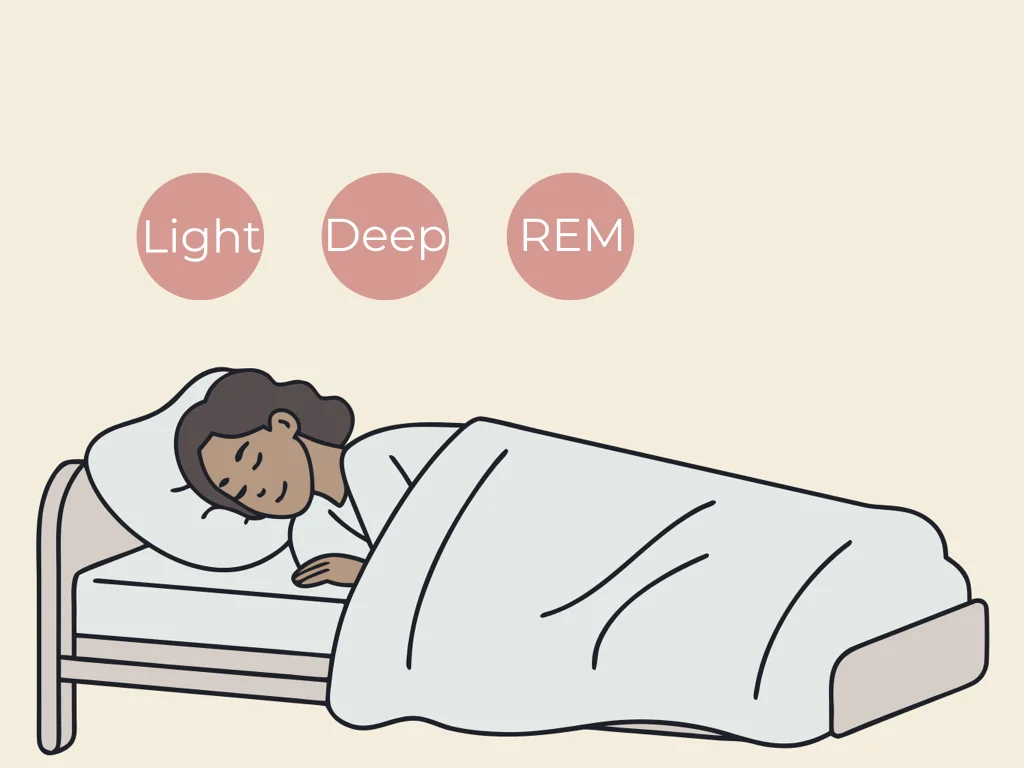
How well you sleep affects how well your body rebuilds its energy. When you’re in a deep sleep, your brain gets rid of waste. Your muscles fix any damage. Also, your body controls hormones that affect energy levels.
Sleep stages and energy restoration:
- Stage 1-2 (Light sleep) – Transition period, minimal restoration
- Stage 3-4 (Deep sleep) – Physical recovery, growth hormone release
- REM sleep – Brain detoxification, memory consolidation, mood regulation
Sleeping 8 hours doesn’t guarantee rest. Poor sleep quality or lack of deep sleep leaves you feeling tired, even after a full night’s rest.
If you’re always tired even after sleeping 8 hours, you probably have a problem with the quality of your sleep, not how long you sleep. Learn specific solutions in our guide to why you’re tired after 8 hours of sleep.
Understanding Core Sleep vs Deep Sleep
Deep sleep is the most restorative part of your sleep cycle. Adults need 13–23% of their total sleep in this phase to fully recharge.
Deep sleep benefits:
- Cellular repair and protein synthesis
- Immune system strengthening
- Memory consolidation
- Hormone regulation (growth hormone, cortisol, insulin)
Learn the key differences and how to improve your core sleep and deep sleep with our helpful guide.
Practical Sleep Optimization Strategies
Make your bedroom a good place to sleep. Keep it cool, between 60-67°F (15-19°C). Use dark curtains and keep noise down. Pick comfy sheets and pillows.
Relax before bed by not drinking caffeine late in the day. Don’t eat big meals or drink alcohol before bed. Stop using screens 1 hour before sleeping.
Go to bed and wake up at the same time every day, even on weekends. Get sunlight in the morning to help your body’s natural clock.
Environmental sounds can significantly improve sleep quality. Explore how green noise for sleep creates optimal conditions for deep, restorative rest.
Energized Nutrition – Fueling Your Body Correctly
Food as Cellular Information
What you eat affects how your body produces and uses energy. Whole foods support ATP production, while processed foods lead to crashes and fatigue.
Macronutrient energy roles:
- Complex carbohydrates – Steady glucose supply for sustained energy
- Lean proteins – Amino acids for cellular repair and neurotransmitter production
- Healthy fats – Essential fatty acids for hormone production and cellular membranes
Energy-Boosting Foods and Comprehensive Nutrition
Choose foods that support long-lasting energy:
- Complex carbs: Quinoa, brown rice, and sweet potatoes provide steady fuel.
- Proteins & healthy fats: Salmon, sardines, Greek yogurt, avocados, and nuts aid recovery and hormone production.
- Micronutrient-rich greens: Spinach and kale deliver essential iron, magnesium, and B-vitamins.
For a complete shopping list and meal planning guide, see our top foods that naturally increase energy and discover the most energetic fruits for quick, natural energy boosts.
Foods That Drain Your Energy
Common energy-depleting foods:
- Refined sugars – Cause blood sugar spikes followed by crashes
- Processed foods – High in additives, low in nutrients
- Excessive caffeine – Can disrupt sleep and create dependency
- Alcohol – Impairs sleep quality and cellular energy production
- Trans fats – Increase inflammation and reduce mitochondrial function
Identify and eliminate energy-draining foods with our comprehensive list of foods that cause fatigue.
Blood Sugar Balance for Sustained Energy
Balanced blood sugar keeps your energy steady. Spikes and crashes can lead to fatigue and brain fog.
Blood sugar stabilization strategies:
- Eat balanced meals every 3-4 hours
- Combine protein with carbohydrates at each meal
- Choose low-glycemic foods (oats, legumes, vegetables)
- Avoid skipping meals or long periods without eating
Studies in the American Journal of Clinical Nutrition show that when your blood sugar changes a lot, you feel tired and can’t think as well.
Learn how to keep your energy steady by controlling your blood sugar. Our guide, the blood sugar solution, will show you how.
Hydration for Cellular Energy Transfer
Water powers cellular energy by helping transport nutrients and remove waste. Even mild dehydration can cut energy by up to 15%.
Optimal hydration guidelines:
- Drink 8-10 glasses of water daily (adjust for activity level and climate)
- Start each day with 16-20 oz of water upon waking
- Monitor urine color (pale yellow indicates proper hydration)
- Increase intake during exercise, hot weather, or illness
Water serves multiple functions beyond thirst. Explore the comprehensive benefits of hydration for energy and optimal daily intake recommendations.
Essential Nutrients for Energy Production
Key nutrients for energy include electrolytes, B-vitamins, iron, vitamin D, and CoQ10. Each one helps your cells work and make energy.
Learn how natural electrolytes for energy support cellular function, especially after exercise, and discover whether liquid vitamin B12 supplementation may benefit your energy levels.

Strategic Movement and Lifestyle Habits
How Exercise Boosts Energy Instead of Depleting It
Moving around regularly gives you more energy. It helps your body make more energy parts in your cells. It also lifts mood and improves sleep.
Energy-boosting exercise mechanisms:
- Mitochondrial biogenesis – Creates new cellular powerhouses
- Improved circulation – Better oxygen and nutrient delivery
- Enhanced insulin sensitivity – More efficient glucose utilization
- Stress hormone regulation – Reduces cortisol and increases feel-good chemicals
Find the perfect activity for your lifestyle and fitness level in our guide to the best exercises for energy.
Building Stamina for Long-Term Energy
Stamina represents your body’s ability to sustain energy output over extended periods. To build stamina, gradually increase workouts that challenge your heart, muscles, and metabolism.
Stamina-building strategies:
- Aerobic base building – Low-intensity, longer duration activities
- Interval training – Alternating high and low intensity periods
- Strength training – Builds muscle mass and metabolic capacity
- Recovery optimization – Allows adaptation and prevents overtraining
Looking to improve endurance? See our guides on foods to improve stamina and learn how to improve stamina without running.
Conquering the Afternoon Energy Slump
Feeling tired between 2–4 PM is normal. It’s tied to your body clock and post-lunch blood sugar. Use smart habits to stay energized.
Afternoon fatigue prevention:
- Eat a balanced lunch with protein and complex carbohydrates
- Take a 10-20 minute walk after eating
- Stay hydrated throughout the day
- Consider a brief 10-20 minute power nap if possible
- Use natural light exposure to maintain alertness
Tired every day around 3 PM? Here are our best evidence-based tips to beat afternoon fatigue.
Sunlight Exposure for Circadian Rhythm Regulation
Sunlight boosts mood, sleep, and vitamin D—key for steady body energy. Morning sunlight exposure helps establish healthy sleep-wake cycles that optimize energy levels.
Optimal sunlight exposure:
- Get 10-30 minutes of morning sunlight within 2 hours of waking
- Spend time outdoors during lunch breaks when possible
- Use bright light therapy in winter months or low-light environments
- Avoid excessive UV exposure with appropriate sun protection
A little sun exposure provides numerous health benefits. Discover all the benefits of getting sunlight for energy and overall wellness.
Quick Energy Fixes for Immediate Results
Immediate energy-boosting strategies:
- Deep breathing exercises – Increases oxygen delivery to cells
- Cold water splash – Activates the sympathetic nervous system
- Protein snack – Provides sustained energy without blood sugar spikes
- Brief physical movement – Increases circulation and alertness
- Peppermint aromatherapy – Stimulates the nervous system naturally
Need a boost right now? Check out these practical quick energy fixes for busy professionals.
Creating an Energy-Optimized Morning Routine
Your morning routine sets the tone for daily energy levels. Having a set morning routine can give you energy all day. This routine should include getting sunlight, moving your body, eating well, and doing things to calm your mind.
High-energy morning routine elements:
- Consistent wake time – Aligns with circadian rhythms
- Immediate hydration – Rehydrates after overnight fasting
- Light exposure – Signals wakefulness to your brain
- Gentle movement – Activates circulation and metabolism
- Nutritious breakfast – Provides sustained energy for the morning
Win your morning, win your day. Build your perfect high-energy morning routine with personalized strategies.
When Fatigue Signals Deeper Health Issues
Understanding Chronic Fatigue vs Normal Tiredness
If you’re tired for more than 6 months, it could mean you have a health problem. You should see a doctor. Normal tiredness gets better when you rest, eat well, and change your habits. But long-lasting tiredness doesn’t go away even if you rest enough.
Warning signs requiring medical attention:
- Fatigue lasting longer than 2 weeks without improvement
- Unexplained weight loss or gain
- Persistent muscle weakness or joint pain
- Cognitive difficulties (brain fog, memory problems)
- Sleep disturbances despite good sleep hygiene
Inflammation as a Hidden Energy Drain
Chronic inflammation diverts energy resources from daily activities to immune system activation. This can make you feel tired all the time, make it harder to think clearly, and make you get sick more easily.
Common inflammatory triggers:
- Processed foods – High in sugar, trans fats, and additives
- Chronic stress – Elevates cortisol and inflammatory markers
- Poor sleep quality – Disrupts immune system regulation
- Sedentary lifestyle – Reduces anti-inflammatory processes
- Environmental toxins – Increase oxidative stress
A study in the journal “Nature Reviews Immunology” says that ongoing, low-level swelling in the body can make you feel tired a lot.
Chronic tiredness could indicate systemic inflammation. Learn about the connection between inflammation and fatigue and assessment strategies.
Exploring Other Root Causes of Low Energy
Potential underlying causes:
- Thyroid disorders – Hypothyroidism slows metabolism
- Nutrient deficiencies – Iron, B12, vitamin D deficiencies
- Hormonal imbalances – Adrenal fatigue, insulin resistance
- Sleep disorders – Sleep apnea, restless leg syndrome
- Mental health conditions – Depression, anxiety disorders
If you want to learn more about why you might be tired all the time, read our detailed article about what causes low energy.
A Balanced Approach to Energy Drinks and Supplements
The Reality of Energy Drinks
Energy drinks may give a short boost, but often lead to crashes, poor sleep, and caffeine dependence.
Energy drink concerns:
- High caffeine content – Can cause jitters, anxiety, and sleep disruption
- Sugar crashes – Rapid blood sugar spikes followed by energy drops
- Artificial additives – Potential long-term health effects unknown
- Dependency risk – Tolerance builds over time, requiring higher doses
Are those cans helping or hurting your energy levels? We analyze whether Boost energy drinks are good for you and provide healthier alternatives.
Evidence-Based Energy Supplements
Potentially beneficial supplements:
- Vitamin B12 – Essential for energy metabolism, especially for vegetarians
- Iron – Necessary for oxygen transport, particularly for women
- Magnesium – Supports cellular energy production and muscle function
- Coenzyme Q10 – Enhances mitochondrial function
- Adaptogenic herbs – May help the body manage stress
Talk to your doctor before you start taking any new supplements, especially if you have health problems or are already taking medicine.
To learn more about supplements that may help with energy, check out our summary of supplements that are proven to work.
Frequently Asked Questions About Body Energy
How long to feel more energized?
With consistent changes, you may notice more energy in 1–2 weeks. Bigger improvements come after 4–6 weeks.
Can stress drain body energy?
Yes—chronic stress raises cortisol, which disrupts sleep and ATP production.
Is it normal to be tired after work?
Mild tiredness is normal. But if you’re exhausted daily, assess your nutrition, recovery, and work-life balance.
Should I quit caffeine completely?
Not always. Moderate caffeine (under 400mg daily) can help. Just avoid it late in the day.
Building Sustainable Energy for Life
Getting your energy back needs a complete plan that includes better sleep, good food, exercise that makes sense for you, and healthy habits. These things work together to help your body make more energy in its cells, get better faster, and keep you feeling good all day long.
Key takeaways for sustainable energy:
- Prioritize sleep quality over quantity for optimal restoration
- Fuel your body with nutrient-dense foods and stable blood sugar
- Move regularly to boost mitochondrial function and circulation
- Manage stress through proven relaxation and lifestyle strategies
- Address underlying issues if fatigue persists despite lifestyle changes
Pick one area that feels right for you today. This could be getting better sleep, eating healthier, or moving more. Small, steady changes in these areas will greatly improve your energy levels.
Use the links in this article for more information on specific ways to boost your energy. You can create your own plan that fits your life and what you want to achieve.