
Imagine this: You’re browsing fitness websites late at night, and you stumble upon a question that trips up many beginners – does sleeping count as fasting?
You’re not just resting when you sleep; you’re actively fasting, burning fat, and resetting your body. Those 7-8 hours of rest are a critical and often overlooked part of any successful fasting plan.
This guide will break down the science behind overnight fasting, show you how to optimize it for the best results, and explain how to structure your meals and workouts to work with your body’s natural rhythm.
In Short: Yes, Sleeping is Fasting
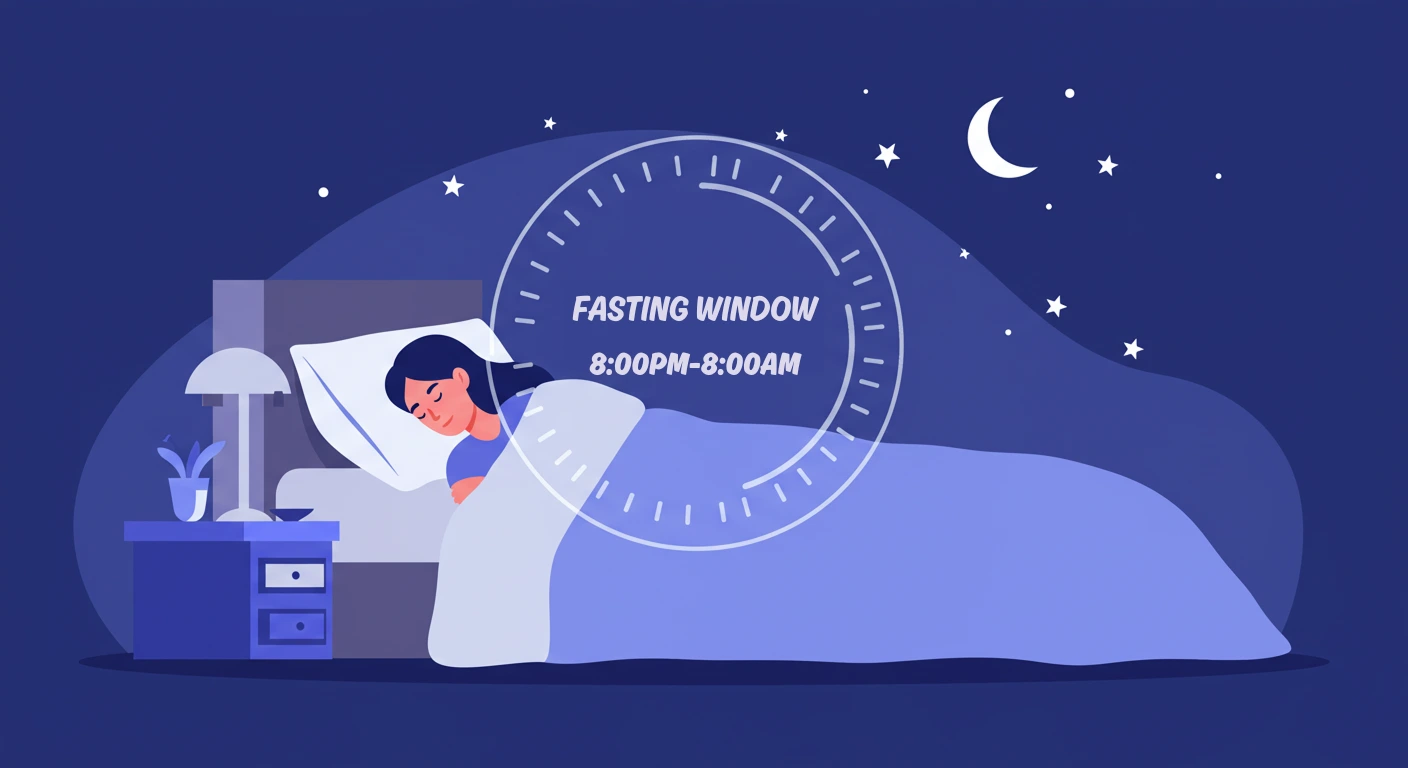
For those looking for a quick answer: Yes, sleeping absolutely counts as fasting. After your body spends 3-5 hours digesting your last meal, the time you spend asleep is a key period where your metabolism shifts from using food for energy to using your stored fat. For a simple 12-hour fast from 8 PM to 8 AM, you are in a true, fat-burning fasted state for 7-9 of those hours.
The Science of Sleep: How Your Body Enters a Fat-Burning State Overnight
To understand why sleep is such a powerful fasting tool, we need to look at what’s happening inside your body on a metabolic level. Fasting isn’t just about not eating—it’s the physiological state your body enters when it’s completely finished processing food.
Here’s how it works:
- The Fed State (Post-Dinner): For the first 3-5 hours after your last meal, your body is in the “fed state.” Insulin levels are elevated, and your body is busy breaking down the glucose (sugar) from your food for immediate energy.
- The Switch to Fasting (Mid-Sleep): Once digestion is complete, your insulin levels drop significantly. This drop is the metabolic trigger that signals to your body: “There’s no more incoming fuel; it’s time to switch to stored energy.” This is when the true fast begins.
- Peak Fat-Burning: Your body first uses stored glycogen (sugars) in the liver. Once that starts to deplete, it ramps up its use of stored body fat for energy. This metabolic shift is one of the primary goals of intermittent fasting.
- Cellular Cleanup (Autophagy): Deeper into the fast, your body initiates a process called autophagy (literally “self-eating”). This is a vital cellular recycling system where your body cleans out damaged cells and proteins, which is linked to longevity and disease prevention.
Your overnight sleep is the most effortless way to ensure you consistently reach the fat-burning and autophagic states.
The Surprising Link Between Your Bedtime and Your Weight
The timing of your sleep and meals directly influences your circadian rhythm—your body’s internal 24-hour clock. When you align your eating and fasting with this natural rhythm, you enhance the benefits.
Think of your metabolism as a U-shape overnight:
- Evening: Your carbohydrate (sugar) metabolism is high as you digest dinner.
- Middle of the Night: As insulin falls, your fat metabolism rises to its peak.
- Morning: As you prepare to wake, your body is primed to use that mobilized fat for energy.
Working against this clock, for example by eating late at night, can disrupt hormone balance, reduce sleep quality, and make it harder for your body to burn fat efficiently.
Fasting 101: What Breaks a Fast (and What Doesn’t?)
A common point of confusion is what you can consume during your fasting window without “breaking” it. The rule is simple: avoid anything with calories.
What’s Generally Safe During a Fast:
- Water (plain, mineral, or sparkling)
- Black Coffee
- Plain Tea (Green, Black, Herbal)
- A pinch of sea salt in water (for electrolytes)
What Breaks a Fast:
- Sugar or Sweeteners: This includes sugar in your coffee, honey, or even “zero-calorie” sweeteners that can trigger an insulin response in some people.
- Milk or Cream: The lactose (sugar) and protein in dairy will break your fast.
- BCAAs (Branched-Chain Amino Acids): While popular in the fitness world, they can stimulate an insulin response.
- Juice or Soda: These are high in sugar and calories.
Timing is Everything: Your Ideal Eating and Fasting Schedule
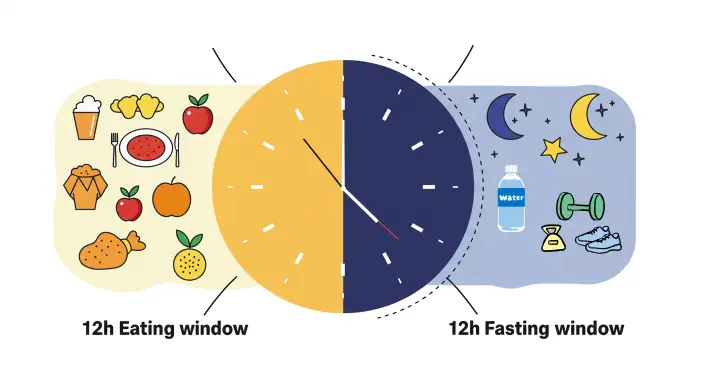
The most common and beginner-friendly intermittent fasting schedule is 12:12, which involves a 12-hour fasting window and a 12-hour eating window.
Thanks to sleep, you’re already doing most of the work.
Sample 12:12 Schedule:
- Fasting Window: 8:00 PM to 8:00 AM
- Eating Window: 8:00 AM to 8:00 PM
During the 8 PM to 8 AM fasting period, you will be asleep for 7-8 hours, making it an easy and sustainable routine.
Supercharge Your Fast: Morning Exercise and Key Supplements
To take full advantage of your overnight fast, consider these two strategies:
- Morning Exercise: When you wake up, your body is already in a fat-burning state. Performing light-to-moderate exercise before your first meal—a practice known as “fasted cardio”—can enhance fat oxidation. A brisk walk, a jog, or a bodyweight circuit are excellent options.
- Strategic Supplements: While most supplements should be taken with food, a few can be taken during your fast. For example, electrolytes can help with hydration and mineral balance. However, always check if your supplements contain any sugars or fillers.
Your New Plan for Success
Sleep is not just a passive activity; it’s a metabolic powerhouse. By recognizing that sleeping counts as fasting, you can build a powerful and effective health routine:
- Prioritize Sleep: Aim for 7-9 hours of quality sleep to give your body a significant fasting period.
- Align Your Meals: Stop eating 3-4 hours before bed to allow digestion to finish before you enter your deepest sleep phases.
- Hydrate Smartly: Drink water upon waking to rehydrate and support your metabolism.
- Embrace Sunlight: Getting morning sunlight helps regulate your circadian rhythm, which makes your fasting efforts even more effective.
Frequently Asked Questions (FAQ)
1. How long do I need to sleep for it to count as fasting?
Fasting begins after your body has finished digesting, which takes 3-5 hours. Therefore, a typical 7-8 hour sleep session provides several hours of true, effective fasting.
2. Does drinking water in the morning break my overnight fast?
No. Staying hydrated is crucial while fasting. Water has zero calories and does not trigger an insulin response, so it will not break your fast.
3. Can I have black coffee after waking up?
Yes, black coffee is acceptable during a fast. It contains virtually no calories and has been shown to support appetite suppression and fat oxidation. Avoid adding any sugar, milk, or cream.
Disclaimer: Everyone reacts to fasting differently based on age, sex, and overall health. Start slowly, listen to your body, and consult with a healthcare professional before making significant changes to your diet or lifestyle.